
I built a 50-person allied health practice in 5 years
And probably made every mistake possible.
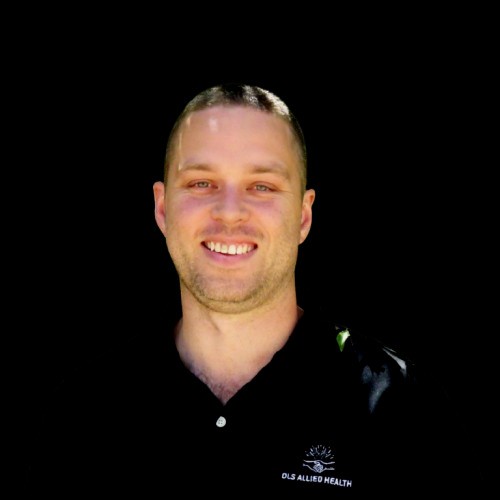
The Story
The Start
I didn’t come from allied health. My background is IT — education support, contract web development, the kind of work where you learn to solve problems with whatever you’ve got.
I moved into the disability sector as a support worker. But I saw something pretty quickly: the big businesses delivering allied health services were mediocre. They didn’t communicate with their clients effectively. They had no continuity of care model. Good people were getting average outcomes because the businesses around them weren’t built properly.
So, I hired a close friend as our Lead OT and we got started.
The Growth (and the Problem)
With win after win for clients came a steep learning curve. I knew business on a solo scale. I didn’t know business when I was covering payroll for a growing team.
We grew fast. More clinicians, more clients, more revenue. From the outside it looked like everything was working. From the inside, it was chaos. Bad systems. No processes. I was making the same mistakes I’d seen the big companies make, just faster.
Revenue was climbing. Margins were plummeting. I was working more hours than ever and the business was less profitable than when it was half the size. That’s the part nobody warns you about — growth without systems doesn’t fix your problems. It multiplies them.
The Turn
It wasn’t until year four that things actually clicked. Not because I found some secret strategy. Because I finally built the operational foundation that should’ve been there from day one.
Everything got a system. Time was measured by output value, not just hours spent. Hiring had a process. Onboarding had a process. Margin was modelled properly. I stopped being the answer to every question and started building a business that could function without me in the middle of it.
That’s when DLS went from a practice that happened to be growing to a business that was actually built to scale. Today it’s a team of over 50 — OTs, speech pathologists, and our ops team. We have served more than 2,000 clients across regional Victoria and New South Wales.
Why Solo to Scale Exists
I started Solo to Scale because I kept having the same conversations with other practice founders. They’d ask how I did it. How I hired. How I structured the team. How I found more more clients. How I managed the admin without drowning in it.
And every time, I’d think: this stuff isn’t secret. It’s not complicated. But nobody’s teaching it in a way that’s specific to allied health. The business coaches out there are selling generic frameworks that don’t account for funding model constraints, clinical governance requirements, or the reality of running a practice in regional Australia.
Solo to Scale is the thing I wish existed when I was starting out. Practical, specific, built by someone who’s actually in it — not someone who’s read about it.
Stats
6+ years building DLS Allied Health
50+ team members across regional Victoria and New South Wales
2,000+ clients served
Built from $0 to $5M+ per year
My Approach
I’m not going to tell you to “follow your passion” or “trust the process.” I’m going to tell you to know your numbers, build systems before you need them, hire slow, and stop trying to be the hero in every room.
The founders that avoid burnout and scale their business are the ones where the founder has made themselves replaceable in the day-to-day. That doesn’t mean you’re not important. It means you’ve built something that doesn’t collapse the moment you step away.
That’s what I teach. That’s what I’ve built. And that’s what the Growth Advisory is designed to help you do.
© Solo To Scale 2026
All Rights Reserved